





When the Doctor Is Far from Home
Pharmacy Museum and The Qwensel House, Turku
- 13.3.2026–15.8.2027
The exhibition When the Doctor Is Far from Home explores the plants and remedies used in folk medicine in the 18th and 19th centuries.
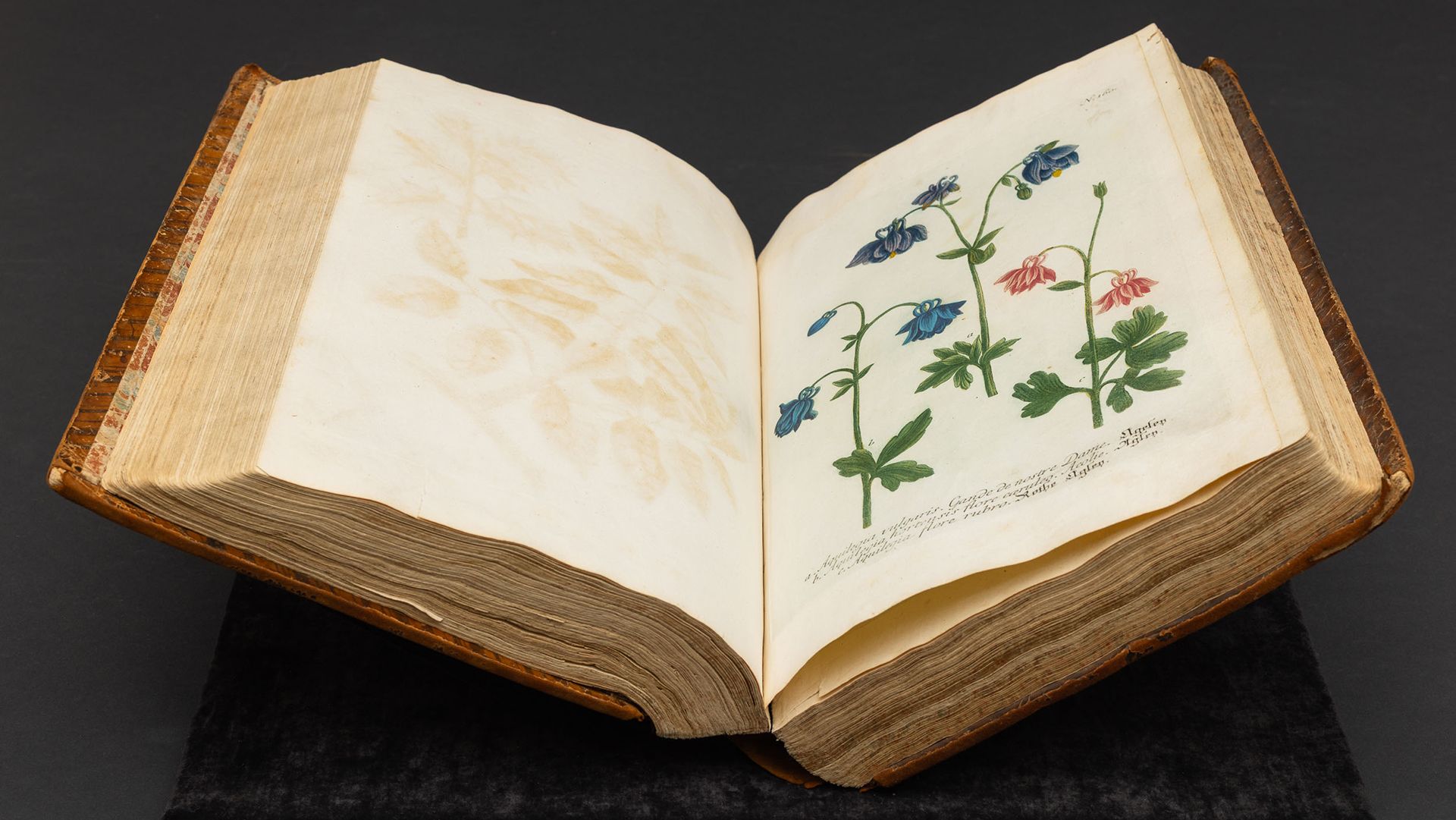
According to an old saying, “If sauna, spirits and tar don’t help, the disease is fatal.” This aptly describes a time when doctors, pharmacies and hospitals were located far away, and even a minor ailment could be life-threatening. Folk medicine at that time relied primarily on brännvin – a strong distilled alcohol – and a variety of medicinal plants, which it was advisable to keep on hand.
The exhibition presents plants used in folk medicine and remedies for various illnesses in the 18th and 19th centuries. At that time, medicinal plants provided relief for many ailments when medical help was not available.
During the Age of Enlightenment in the 18th century, plant and garden culture spread from university utility gardens to manors and parsonages, and gradually also to the common people. Medicinal plants were dried, boiled into herbal drinks, infused in alcohol or mixed into ointments. For example, wormwood, yarrow, juniper and chamomile were versatile general remedies.
Plants often had other names according to their folk uses. For example, coltsfoot was called “coughwort”, and mezereon berries, used to treat childhood rickets, were known as “rickets berries” (riidenmarja). The exhibition presents both familiar and lesser-known plants and explains their significance in folk medicine.
Priests played an important role in educating the public about health, but newspapers and household guides also disseminated up-to-date information. Health-related information was also spread by relatives and friends.
The main sources used in the exhibition are health guides from the period. Elias Lönnrot's Suomalaisen talonpojan koti-lääkäri (The Peasant’s Manual of Domestic Medicine), published in 1839, was extremely popular at the time, and many of its instructions have proven to be surprisingly durable. In contrast, Christfried Ganander's guide Maan Miehen Huone ja Koti Aptheekki (The Country Man's Household and Home Pharmacy), published in 1788, retains elements of the period’s traditional beliefs and pre-modern medical views.
The exhibition is located in the temporary exhibition space of the Pharmacy Museum and Qwensel House. The purpose of the temporary exhibitions is to bring new perspectives to the themes and periods presented in the museum's main exhibitions. The exhibition has been curated by a team from the Turku City Museum.
Programme for the exhibition opening weekend
• Lecture on 14 March at 2 p.m. Aaja Peura, museum gardener at Turku City Museum, will talk about the medicinal plants featured in the exhibition and their current uses. Registration for the lecture via qwensel.fi
• Healing Plants painting workshop 15 March at 12–4 p.m. The painting workshop will draw inspiration from folk medicine plants and historical plant illustrations, and participants will create their own plant illustrations by using watercolours. No advance registration required.
Share this with your friends!



Museum exhibitions
Museum events
Osana kulttuurikierrosta
Museum contact details
Pharmacy Museum and The Qwensel House
Läntinen Rantakatu 13b, 20100 Turku
(02) 262 0280
Yhteydet julkisilla
Näytä reitti museolle Matkahuollon reittioppaassa

Katso reitti Matkahuollon reittioppaassa
Päämäärä:
Pharmacy Museum and The Qwensel House, Läntinen Rantakatu 13b, 20100 Turku
Lähtöpiste:
Admission fees

7/3,50/2,50 €
Payment methods
käteinen, yleisimmät pankki- ja luottokortit, kulttuurisetelit (Smartum, Virike, TYKY, e-passi)
kontant, de flesta bank- och kreditkorten. kultursedlar (Smartum, Virike, TYKY)
Opening hours
| Mon | Closed |
| Tue | 10:00-17:00 |
| Wed | 10:00-17:00 |
| Thu | 10:00-17:00 |
| Fri | 10:00-17:00 |
| Sat | 10:00-17:00 |
| Sun | 10:00-17:00 |
Museum is closed 7.1.-13.2.2026, 3.4., 1.5., 19-21.6., 6.12, and 24.-25.12.